A generator set is often judged by its starting power, fuel use, and noise level. Its working life deserves equal attention. Many facility managers ask, “what is the lifespan of a industrial generator set?” The practical answer is rarely one fixed number. A well-maintained diesel generator may operate for 10,000 to 30,000 hours, while demanding applications can shorten that range. Standby units may last for decades because they run fewer hours. Prime-power units face heavier, continuous wear.
This guide examines ten important facts about industrial generator set lifespan. It considers engine design, operating hours, load patterns, cooling systems, fuel quality, and installation conditions. A unit running near its rated load in a clean, ventilated room experiences different stress from one operating outdoors in dust and heat. Small details matter. A blocked air filter can raise exhaust temperature. Poor battery maintenance can cause a failed start when power is needed most. Regular oil analysis, coolant checks, vibration monitoring, and load-bank testing provide useful evidence about machine health. Manufacturer service intervals remain the proper reference, not internet estimates.
Experience also shows that age alone does not decide replacement. Some older sets remain reliable after careful refurbishment. Others appear clean but hide worn bearings, insulation damage, or injector problems. The uncomfortable truth is that maintenance records may be incomplete, and published lifespan figures can sound more certain than they are. Reliable planning combines inspection results, operating history, professional technician assessments, and realistic risk calculations. These ten facts will help readers evaluate service life more accurately and make better maintenance or replacement decisions.
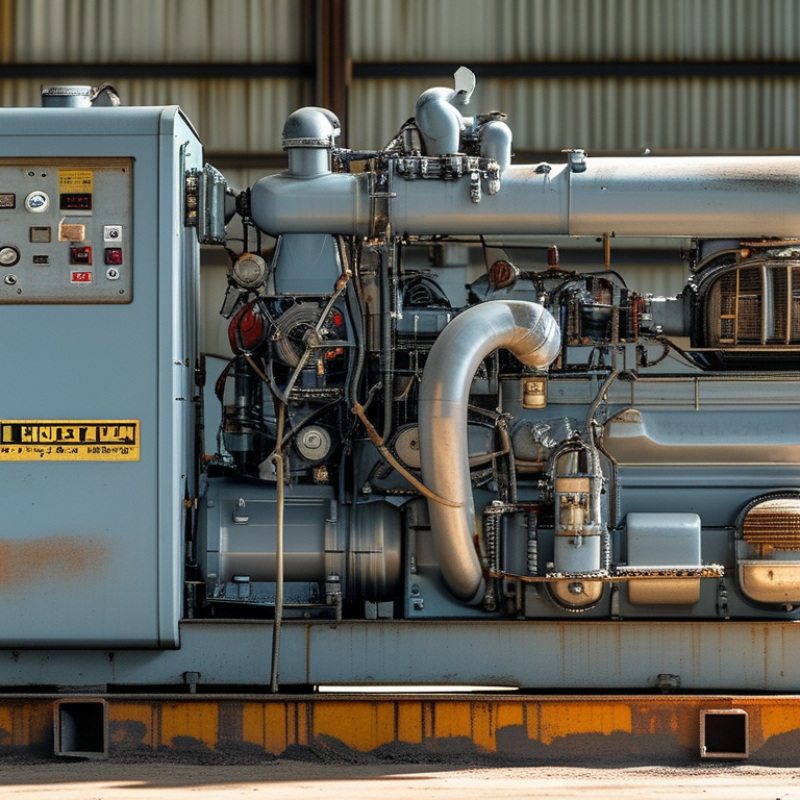
An industrial generator set may run for decades, but operating hours alone tell an incomplete story. Load profile matters greatly. A unit running steadily at 70% load usually experiences less stress than one frequently starting, stopping, or carrying sudden peaks. Very light loading can also cause incomplete combustion and carbon buildup. That detail is often overlooked.
Maintenance quality remains a major factor. Oil, coolant, filters, belts, and batteries need service at manufacturer-recommended intervals. Technicians should record temperatures, oil pressure, vibration, and exhaust conditions during inspections. Small changes can reveal injector wear, restricted airflow, or cooling problems before failure occurs. Maintenance records create useful evidence, not guesses.
The installation environment matters too. Dust blocks radiators, salt air accelerates corrosion, and high temperatures reduce cooling efficiency. Poor ventilation can raise engine-room heat within minutes. Fuel contamination is another quiet threat. Water or sediment may damage pumps and injectors. Correct sizing also protects the engine, because chronic overload shortens component life.
Installation quality matters. Misalignment can increase vibration. Weak foundations may transfer damaging movement into connected equipment. Automatic controls should receive regular testing, not just visual checks. Emergency units also need controlled exercise runs, with suitable load when possible. Still, no schedule is perfect. Real conditions change, and operators sometimes miss warning signs. A careful review after unusual noise, smoke, or temperature readings can prevent a small defect from becoming a major repair.
Top 10 Facts About Industrial Generator Set Lifespan
Typical Service Life of Different Generator Set Types
Generator lifespan depends more on workload than the calendar. Portable gasoline sets often deliver 1,000 to 3,000 operating hours. Light use may stretch that period over ten years. Frequent construction work can shorten it sharply.
Standby diesel generator sets commonly serve 15 to 25 years. Well-maintained units may reach 10,000 to 30,000 operating hours. The U.S. Department of Energy’s Federal Energy Management Program often uses a 20-year life-cycle assumption for standby generators. Natural-gas sets typically provide 15 to 25 years, although unstable fuel pressure can increase wear. Small details matter.
Prime-power diesel sets face heavier loads. Their practical service life is often 10 to 20 years, or about 20,000 to 30,000 hours. Industry maintenance guidance aligned with ISO 8528 stresses load management, cooling performance, and scheduled testing. Running below 30% load for long periods can cause incomplete combustion and carbon buildup. That range is not a promise. Poor ventilation, contaminated fuel, skipped oil analysis, and repeated cold starts can remove years from the estimate. A 20-year calculation may look reliable, yet site conditions often prove otherwise.
| No. | Generator Set Type | Typical Service Life | Typical Operating Hours | Primary Duty Profile | Key Lifespan Fact |
|---|---|---|---|---|---|
| 1 | Portable gasoline generator | 5–10 years | 1,000–2,000 hours | Occasional backup or light-duty use | Short, intermittent operation and regular oil changes are especially important because small gasoline engines generally experience greater wear per operating hour than heavy-duty diesel engines. |
| 2 | Portable diesel generator | 10–20 years | 3,000–10,000 hours | Construction, events, and mobile backup | Diesel models typically have stronger engine blocks and lower-speed designs, allowing longer service intervals when operated at an appropriate load. |
| 3 | Residential standby generator | 10–20 years | 2,000–5,000 hours | Automatic emergency backup | Calendar age, corrosion protection, exercise schedules, and annual servicing can matter as much as total running hours. |
| 4 | Commercial standby diesel generator | 15–25 years | 10,000–30,000 hours | Emergency power for commercial facilities | A properly loaded monthly exercise run helps identify faults, but extended no-load operation can cause wet stacking and poor combustion. |
| 5 | Industrial standby diesel generator | 20–30 years | 20,000–30,000 hours | Critical-facility emergency power | Heavy-duty engines, robust cooling systems, and planned overhauls can support several decades of standby readiness. |
| 6 | Prime-power diesel generator | 10–20 years | 20,000–40,000 hours before major overhaul | Regular or variable-load operation | Prime units accumulate hours faster than standby units, so oil analysis, valve adjustments, cooling-system maintenance, and scheduled overhauls are essential. |
| 7 | Continuous-duty diesel generator | 8–15 years | 30,000–60,000 hours with overhauls | Constant electrical load | Continuous operation can produce high lifetime output, but component replacement and major overhauls should be considered part of the lifecycle. |
| 8 | Natural-gas generator set | 15–25 years | 15,000–30,000 hours | Standby, prime, or combined-heat-and-power use | Cleaner combustion can reduce some deposits, but spark plugs, ignition systems, gas pressure, and valve-seat condition require close attention. |
| 9 | Rental or temporary-power generator | 5–15 years in rental service | 8,000–20,000 hours | Frequent transport and changing loads | Transport vibration, dusty sites, rapid load changes, and inconsistent operating environments can shorten life compared with permanently installed equipment. |
| 10 | Marine generator set | 10–20 years | 10,000–30,000 hours | Onboard auxiliary power | Saltwater exposure, humidity, cooling-water quality, exhaust corrosion, and vibration are major lifespan factors in marine installations. |
Top 10 Facts About Industrial Generator Set Lifespan
Operating conditions often determine whether a generator reaches its expected service life. The U.S. Department of Energy lists about 20 years as a typical service life for emergency diesel generators. Actual results vary widely. A dusty enclosure, poor ventilation, or repeated light loading can shorten that period. High ambient temperatures also reduce cooling efficiency and increase oil degradation. Small details matter.
Load profile is especially important. Running below 30% load for long periods may cause wet stacking, carbon deposits, and incomplete combustion. Frequent starts create additional stress on batteries, belts, and lubricated components. NFPA 110 requires many emergency systems to receive operational tests at least 12 times yearly, usually for 30 minutes. Testing helps, but a short unloaded test cannot represent a real outage.
Maintenance records should track coolant temperature, oil pressure, exhaust smoke, vibration, and fuel quality. The U.S. DOE recommends condition-based maintenance because calendar intervals alone can miss developing faults. ISO 8528-1 also requires rating conditions to be considered when evaluating generator performance. In practice, the operating environment is rarely ideal. That assumption needs challenging. A clean runtime log may still hide restricted airflow, aging insulation, or fuel contamination. Regular load-bank testing and infrared inspections provide stronger evidence of remaining reliability.
Industrial generator set lifespan depends heavily on maintenance quality, not only engine hours. In field inspections, I look for small changes before they become expensive failures. Oil should be sampled at scheduled intervals, while filters need replacement according to operating conditions. Dusty sites may require shorter intervals. Check coolant level and concentration with a test strip. Incorrect coolant can cause overheating or internal corrosion.
Exercise the generator regularly, preferably under a meaningful electrical load. Short, unloaded runs may leave diesel engines with carbon deposits and poor combustion. A monthly load-bank test can reveal weak performance, unstable voltage, or cooling problems. Inspect battery terminals for white corrosion, and verify charger output. Clean connections matter. Fuel tanks also need attention. Drain accumulated water, test stored fuel, and inspect hoses for cracking. Moisture often causes trouble quietly.
During inspections, I record oil pressure, exhaust color, vibration, and starting time. These simple records make gradual changes visible. Tighten loose electrical connections only when the equipment is safely isolated and qualified personnel are present. Keep air inlets and radiator surfaces free from leaves, lint, and mud. I once saw a generator overheat because a thin dust layer blocked the radiator fins. The schedule was correct, but the inspection was too shallow. A perfect checklist does not exist. Review it after every fault, seasonal change, or major load change.
Maintenance practices that help extend generator set service life
Industrial diesel generator sets commonly operate for approximately 10,000–30,000 running hours when properly maintained. The chart shows typical maintenance intervals used in industrial applications. Actual intervals depend on engine design, load profile, fuel quality, operating environment, and the equipment manufacturer’s service schedule.
Regular load testing, correct lubrication, clean fuel, battery care, cooling-system inspections, and prompt fault correction can reduce wear, prevent overheating, and help maximize generator lifespan.
An industrial generator rarely announces that its working life is ending. Warning signs often appear during ordinary inspections. Hard starting, longer cranking, and unstable engine speed deserve attention. Black or blue exhaust may indicate incomplete combustion, worn components, or excessive oil use. Rising coolant temperature is also serious, especially when the radiator looks clean.
Listen for new knocking, vibration, or uneven loading. Check oil pressure, coolant level, battery voltage, and output frequency against the service manual. Small leaks beneath the engine can become major failures. Corroded wiring, brittle hoses, and repeated breaker trips suggest age-related risk. Keep accurate maintenance records. They reveal patterns that memory misses.
A generator should not be replaced by age alone. Load-bank testing can expose weak performance that a no-load start will hide. Replacement becomes more reasonable when repairs are frequent, parts are difficult to source, or failures threaten essential operations. Compare annual repair costs with the price of a dependable replacement. Consider fuel efficiency, emissions requirements, transfer-switch condition, and expected load.
Some signs overlap. That matters. A dirty fuel system may imitate engine failure, while a weak battery can mimic poor starting equipment. Get a qualified technician to verify the cause before approving replacement. Still, delaying action after repeated alarms is a risky habit. A generator that starts today may not carry tomorrow’s critical load.
: Portable gasoline generators often provide 1,000 to 3,000 operating hours. Light use may spread that service life across ten years. Frequent construction work can shorten it sharply. The calendar alone tells little.
A well-maintained standby diesel generator commonly serves 15 to 25 years. Some units reach 10,000 to 30,000 operating hours. A 20-year estimate is useful, but not guaranteed. Site conditions can change everything.
Natural-gas generator sets often operate for 15 to 25 years. Unstable fuel pressure may increase engine wear. Regular inspections can reveal pressure, cooling, or starting problems. Small details matter.
Prime-power diesel generators often last 10 to 20 years. Their practical operating range is about 20,000 to 30,000 hours. Heavy loads require stronger maintenance routines. That range is not a promise.
Yes, prolonged operation below 30% load may cause incomplete combustion. Carbon deposits can build inside the engine. Occasional testing under a meaningful load provides better information. Short, unloaded runs are not enough.
Sample engine oil at scheduled intervals and replace filters for site conditions. Dusty locations may require shorter service intervals. Check coolant level and concentration with a test strip. Keep radiator fins clean.
Record oil pressure, exhaust color, vibration, and starting time. Compare each reading with earlier records. A thin dust layer can cause overheating. Visual checks are sometimes too shallow.
Drain water from fuel tanks and test stored fuel periodically. Inspect hoses for cracks, especially around connections. Check battery terminals for white corrosion. Verify charger output. Clean connections matter.
No checklist can predict every failure or site change. Review maintenance steps after faults, seasonal changes, or major load changes. Poor ventilation, contaminated fuel, and repeated cold starts can remove years. Maintenance helps, but it is not magic.
An industrial generator set’s lifespan depends on its design, engine quality, load profile, fuel system, installation, and operating environment. In general, diesel generator sets can provide many years of service, while standby, prime-power, and continuous-duty units may experience different aging patterns because their workloads vary. Heat, dust, moisture, poor ventilation, excessive vibration, frequent overloading, and long periods of underuse can all shorten service life. Understanding what is the lifespan of a industrial generator set requires considering both rated operating hours and the quality of care it receives.
Regular maintenance is essential for long-term reliability. Scheduled oil and filter changes, cooling-system inspections, battery checks, fuel-quality control, electrical testing, and periodic load testing help prevent small problems from becoming major failures. Warning signs such as rising oil consumption, hard starting, unusual smoke, overheating, unstable voltage, abnormal noise, or repeated breakdowns may indicate advanced wear. When repair costs, downtime risks, and performance limitations exceed the value of continued operation, replacement is often the safest and most economical choice.

Gods Power